

Black History Month is often spoken about like a chapter, a segment of the calendar where we pause and look back. But Black history is not a chapter. It is not a month. It is not a unit of time we step into briefly before returning to the “main story.” Black history is foundational, ongoing, present-tense, and interwoven into the shared narrative of our communities, cultures, systems, art, medicine, social movements, and collective resilience.
February gives us a moment to focus our attention, but the truth is much larger: Black history is world history, human history, Canadian history, and future history being written right now.
A Tapestry as a Way of Understanding Black History
A helpful way to imagine it is as a tapestry.
Picture a massive woven tapestry hanging in a community hall. From far away, you see the beauty of the whole design, bold, intricate, colorful, and intentional. But when you step closer, you realize something powerful. The tapestry is not made of a single story, thread, or pattern. It is made of thousands of threads, each carrying its own origin, tension, texture, and hue.
Some threads are thick and visible, the legacy of activists like Viola Desmond, the power of leaders like Martin Luther King Jr., the poetic brilliance of Maya Angelou, or the trail-blazing contributions of doctors, scientists, and artists whose work reshaped entire systems.
Others are finer threads, everyday stories of resistance, belonging, advocacy, innovation, heartbreak, courage, joy, and community care passed through generations.
The tapestry holds all of it. And if you tug one thread out, the whole design weakens.
Black History Month in Canada: Threads That Shape Our Communities
This is what Black History Month invites us to remember. The brilliance of Black contributions cannot be separated from the larger weave of society.
In Canada, we see this in the shaping of labor rights, the building of the railway, the evolution of music and cultural identity, the advocacy that challenged segregation in Nova Scotia schools, and the voices that pushed Canada toward policies rooted more in equity than exclusion.
Black Canadians have always held threads of leadership in shaping systems, even when those systems were not built to hold them in return.
Beyond Oppression: Celebrating Cultural Richness, Creativity, and Community Care
Black history is not only a history of oppression or resistance. It is also a history of extraordinary cultural richness, community solidarity, creative genius, intellectual leadership, and healing-centered movements that continue to influence mental health, social work, education, art, justice-based care, and collective wellness today.
Black history holds stories of celebration, artistry, spiritual endurance, communal care, chosen family, entrepreneurship, love, liberation, humor, and rest as resistance.
It reminds us that resilience is not the absence of adversity, but the ability to create meaning, culture, and connection because of it, not in spite of it.
An Invitation to Humility, Learning, and Action
This month also invites humility, especially for those of us who benefit from systems shaped by threads we did not personally weave. It asks us to witness, learn, amplify, and participate in a way that is respectful and intentional.
Not as spectators, but as people who now hold a thread moving forward.
To honor Black history well is not to simply acknowledge it, but to allow it to shape how we think, how we act, how we show up in community, and how we invest in a more equitable future.
What Real Honouring Looks Like
Real honoring looks like curiosity paired with action. It might look like supporting Black-owned businesses, amplifying Black clinicians and leaders in mental health and social work, learning about local Black changemakers in BC and the Fraser Valley, advocating for equity in the systems you operate in, or examining your own tapestry for threads of bias, silence, assumption, or missed learning.
Black history invites connection, not guilt.
Participation, not performance.
Growth, not perfection.
A Shared Weave: Holding These Stories Collectively
Most importantly, it invites us to hold stories not as something that belongs to “them,” but as something that belongs to us collectively.
When we understand history as a shared weave, empathy deepens, cultural humility strengthens, advocacy becomes louder, and community care becomes more intentional.
So this month, step closer to the tapestry. Notice the threads. Learn their origins. Appreciate their brilliance. And consider your own thread too, not to dominate the weave, but to strengthen it.
Because the tapestry is not finished. It is alive. And it is still being woven by all of us.
Journal Prompts for Reflection
- When did I first become aware of injustice, and how did it shape my desire to care for others
- How can I support Black-led voices, leaders, and businesses in a way that is intentional, not performative
- What stories or contributions did I learn this year that shifted or expanded my perspective
- Where in my own life can I weave more curiosity, cultural humility, and advocacy into my daily actions
- How can honoring history influence how I show up for others in the present and future
Recommended Books
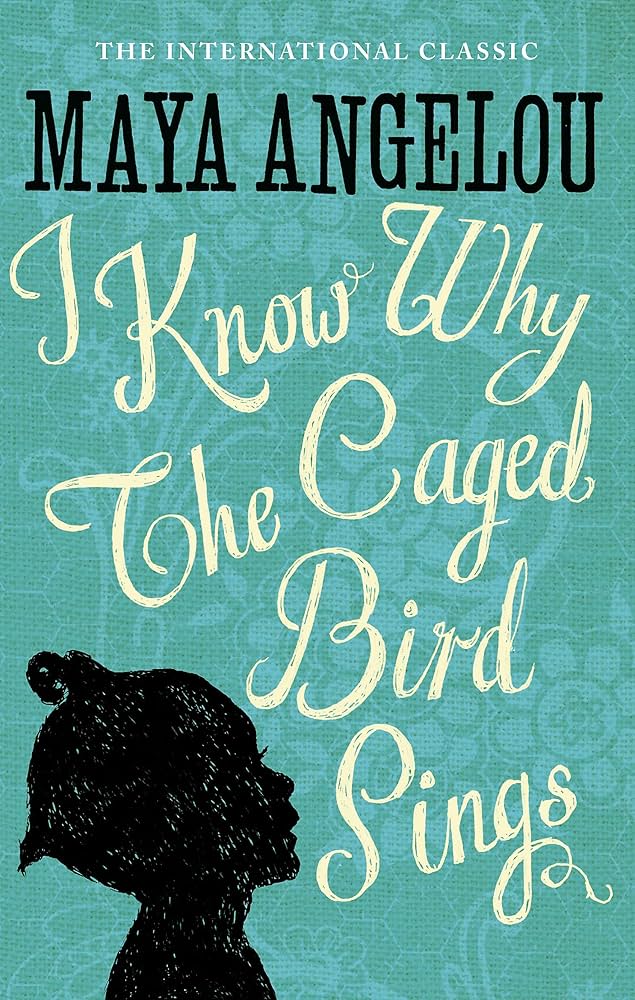
I Know Why the Caged Bird Sings – Maya Angelou
A foundational memoir exploring identity, resilience, and the power of voice.
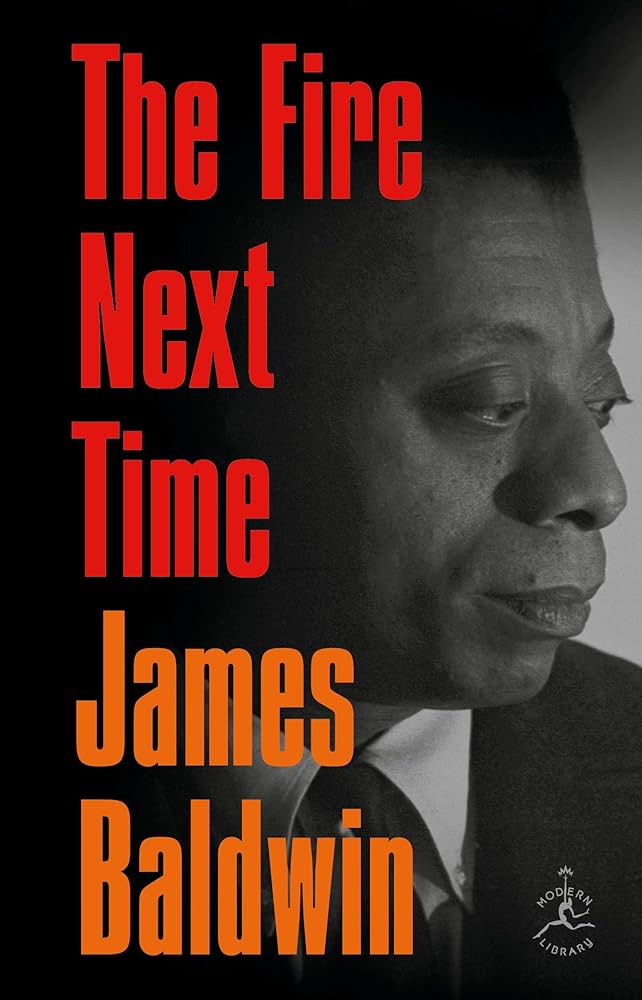
The Fire Next Time – James Baldwin
Baldwin’s powerful essays confront race, religion, and America’s moral landscape.
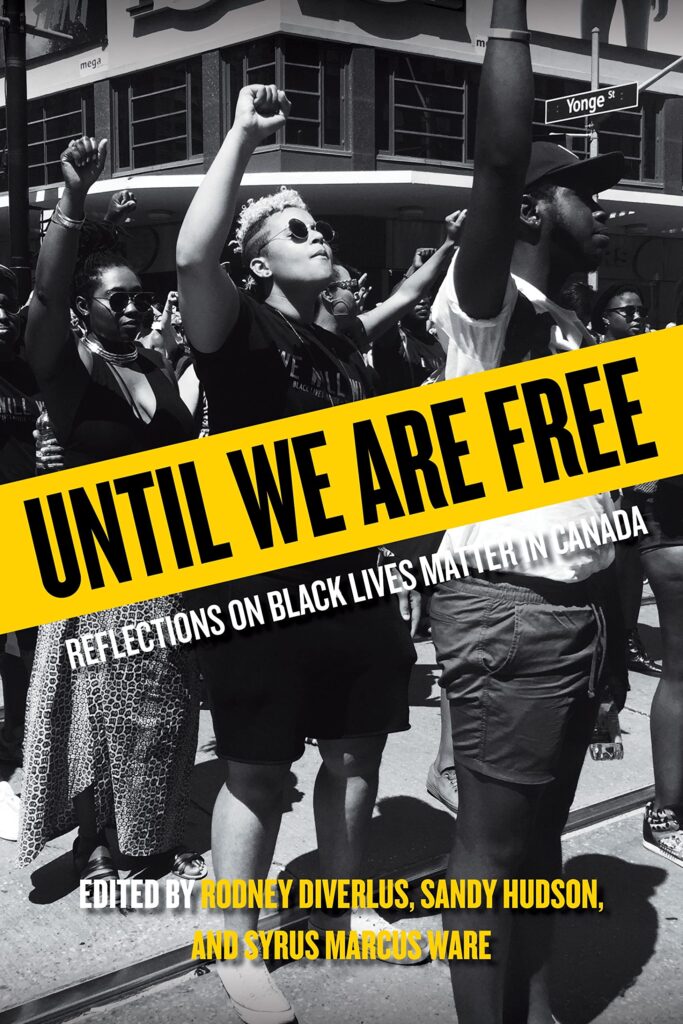
Until We Are Free: Reflections on Black Lives Matter in Canada – Rodney Diverlus, Sandy Hudson, Syrus Marcus Ware
A Canadian-centered collection connecting historical roots with contemporary activism.
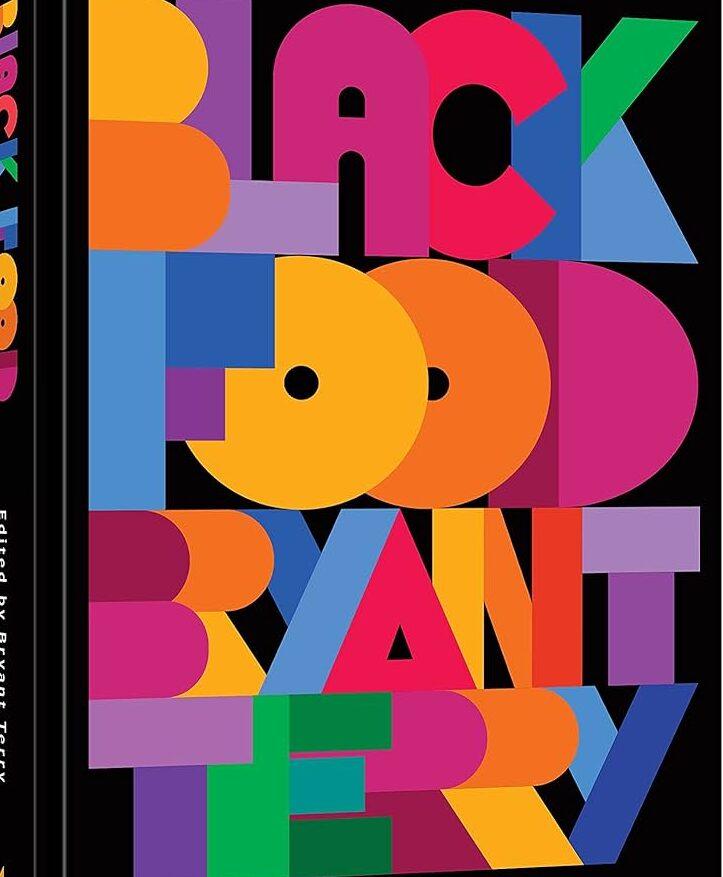
Black Food – Bryant Terry
A celebration of Black culinary culture, history, and artistry through essays and recipes.
Recommended Podcasts
Code Switch (NPR)
A weekly show exploring race, identity, and culture with nuance and accessibility.
In Black America
A long-running program highlighting lived experience, leadership, art, and community impact.
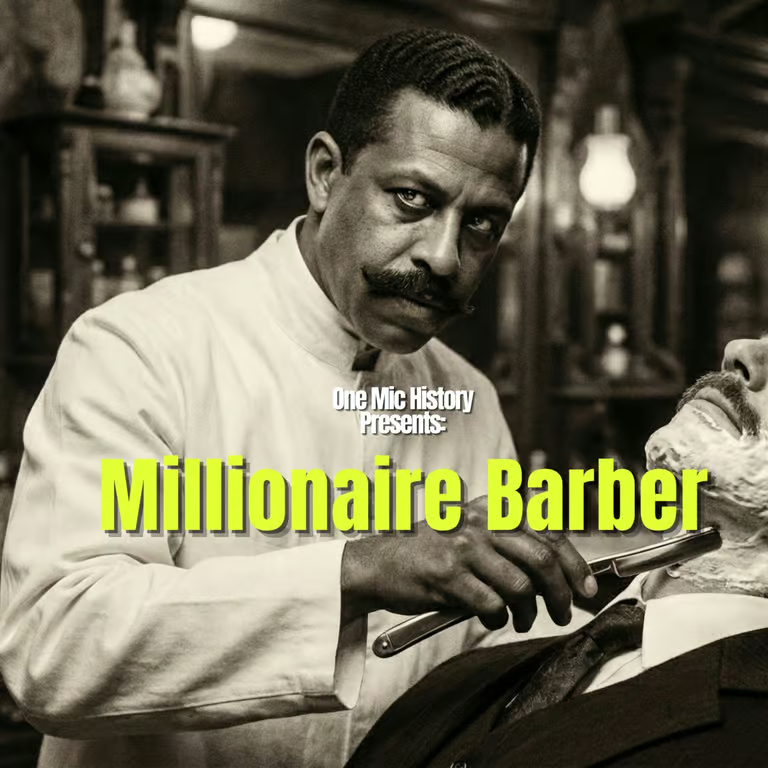
One Mic Black History
Short episodes uncovering lesser-known stories and figures often overlooked in mainstream narratives.

Higher Learning with Van Lathan and Rachel Lindsay
A reflective look at politics, entertainment, and community life through a Black cultural lens.